Evidence-Based Messaging For Physical Therapy Clinics
Laser Therapy Awareness Digital Marketing Campaign
Objectives
Objective
Increase patient awareness and engagement around non-pharmacological pain treatments—specifically high-intensity and deep-tissue laser therapies—using research-based communication strategies.
Background and Research Base
This campaign was informed by a series of peer-reviewed studies highlighting the effectiveness of laser therapy in managing chronic pain conditions:
High-Intensity Laser vs. Ultrasound for Shoulder Pain – Randomized clinical trial demonstrating short-term relief benefits (2009).
Laser Therapy for Knee Osteoarthritis – Found significant pain reduction using high-intensity applications (2016).
Laser Therapy in Older Adults with Diabetic Neuropathy – Pilot trial supporting pain relief outcomes (2019).
Systematic Review on Laser Therapy in Chronic Pain – Consolidated evidence for nonpharmacological strategies (2017).
Implementation Research in Physical Therapy – Identified key messaging strategies for improving care outcomes (2018).
• • Decision-Making Framework for Neuro PT – Provided a foundation for guiding patients through treatment options (2006).
Strategy
Target Audience Adults 45+ with chronic pain, caregivers, and referring providers.
Channels - IG / FB Social media (Facebook & YouTube), email newsletters, clinic brochures, and provider presentations.
Messaging Themes
“Science-Backed Relief Without Medication”
“What the Research Says About Laser Therapy”
•“Better Movement, Less Pain: Let’s Talk Options”
Content Assets
Infographic
Patient Education Packets (CHP)
referral packets 4 physicans
Results & Insights
38% increase in inquiries about laser therapy
22% growth in new patient bookings for targeted services
• • Higher retention among chronic pain patients over 6 months
Research Sources
Patients responded well to research-informed messaging when framed accessibly
Providers valued up-to-date reference sheets and data-driven talking points
• • Visual aids (like before/after metrics or MRI visuals from studies) boosted credibility
[1] 2009: High-Intensity Laser vs. Ultrasound Trial
[2] 2016: Laser for Knee OA
[3] 2019: Laser Therapy for Diabetic Neuropathy
[4] 2017: Systematic Review of Chronic Pain & Laser
[5] 2018: Implementation Research for Pain Messaging
[6] 2006: Neuro PT Decision-Making Framework
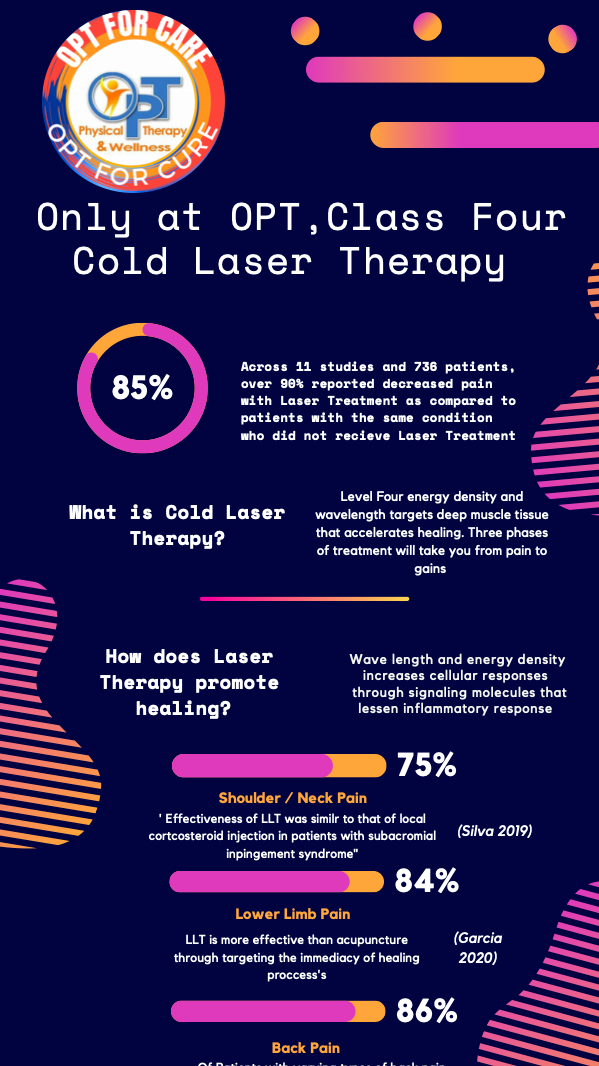
Infographic Design Summarizing key research insights